

Greece tours work best for groups when the itinerary matches the people traveling together. Friends usually want beaches, local food and late dinners. Families need shade, gentle walks and easy meals. Clubs, schools and company teams prefer a clear schedule and a guide who keeps everyone moving. Greece has room for each of these groups.
This guide explains the top picks across the country, region by region. Each section shows where a group should spend its time, which tours suit the group, and which extras everyone receives. Organizers who follow My Greece Tours ask these questions most often, so the answers below stay simple, direct and practical.
What Makes Athens The Heart Of Greece Tours?
Athens is the heart of Greece tours because famous temples, important museums and the main port sit close together. Groups see a great deal without long drives. Many plans for Greece tours and Tours In Greece start here. Most international flights land in the capital, and island ferries leave from the busy harbor of Piraeus.
Where should groups spend time in Athens?
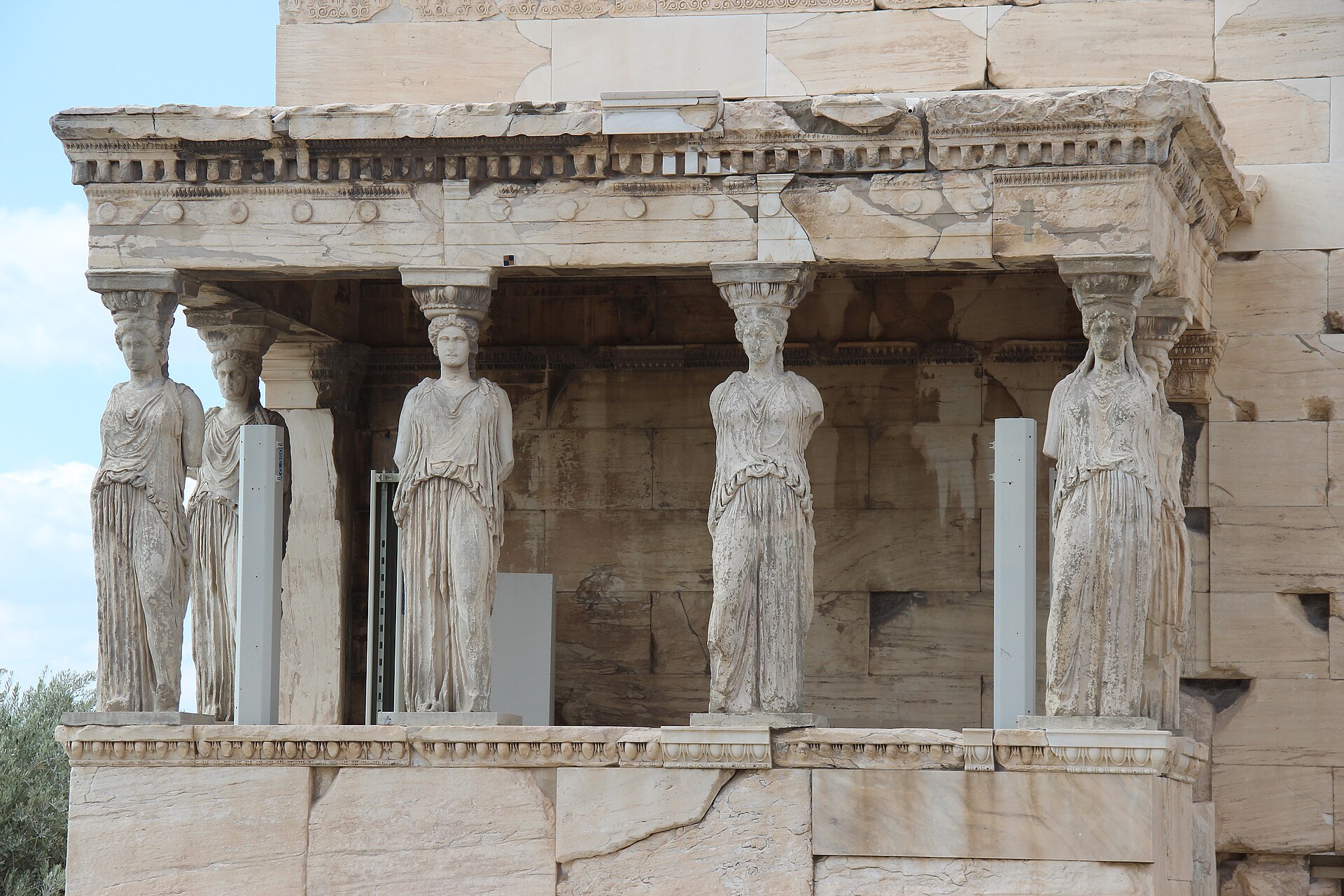
Most groups begin on the Acropolis, the rocky hill that held the city’s holiest temples. They walk up through the grand marble gateway and reach the Parthenon, the temple built for the goddess Athena. Below the hill, the Acropolis Museum lets visitors look down through glass floors at the streets of an ancient neighborhood.
Next comes the Ancient Agora, the old market square where people traded, argued and voted. Its well-kept temple still stands on a low hill. Nearby, the Roman Agora shows the market the Romans built later, beside the Tower of the Winds. This marble tower once told the time with sundials and a water clock.
After the ruins, groups stroll along Ermou Street, a lively shopping avenue closed to traffic. The Plaka lanes wind below the hill with family tavernas, stone steps and colorful doors. To finish the day, groups travel south to Cape Sounion, where the Temple of Poseidon, god of the sea, glows golden at sunset.
Which Greece tours fit the group in Athens?
Private tours with a driver-guide suit families and company teams who want their own vehicle and their own pace. On the water, a private skipper offers the same freedom. Both options are priced per group, not per person, so the cost per head falls as the group grows. Larger families notice that benefit first.
Boat cruises with swim stops suit friends and teenagers who need a break from ancient ruins. The boat departs from the coast near the city and anchors in clear coves along the way. Guided walking tours suit clubs and school groups, since the guide explains the history while everyone stays close and listens.
Cooking classes and wine tastings suit company teams and adult friends who want a relaxed evening. Everyone rolls pastry, stuffs vine leaves or tastes local wine side by side. These Greece tours build team spirit without any lectures, and the group enjoys its own dinner at the end. Families with teenagers love them too.
What do groups receive on Greece tours in Athens?
Many boat days include lunch, and some cruises prepare a BBQ meal on deck. For a group, a planned meal matters a lot. Nobody has to search for a large table in a busy harbor. The bill also needs no dividing at the end of a long day. Hungry children eat on time, too.
Drinks come with most cruises, and on some trips they are unlimited. That keeps everyone comfortable in the summer heat and stops anyone from paying extra at the bar. Children receive juice or soft drinks. On wine tastings, a host pours local varieties and explains each one, so adults can sip slowly and talk.
A licensed guide leads the group around the Acropolis and its museum, and knows the best places for photos and shade. Local guides add personal stories that guidebooks miss. Swim stops matter too. After a hot morning, a dip in clear water refreshes tired legs and lifts the mood of the entire group.
Which practical tips matter in Athens?
Timing shapes every Athens day. Groups reach the Acropolis early, before the heat and the crowds, and save museums for the hot middle of the day. Shade is rare on the hill. A short list of must-see museums in Athens helps the organizer pick indoor stops that suit everyone, from teens to grandparents.
Keeping everyone together takes planning. Organizers choose one clear meeting point, such as a church or fountain, and create a group chat before the walk. Everyone packs water, sun cream, hats and shoes with good grip, because the ancient marble is polished and slippery. A scarf helps on breezy evenings at Sounion.
What Makes The Mainland Essential On Greece Tours?
The mainland is essential on Greece tours because it holds the stages of Greek legend. Groups visit the home of the oracle at Delphi and the track where the ancient Olympic Games began. Most of these sites lie within easy reach of Athens. They fit into day trips or longer road loops with hotel nights.
Where should groups spend time in the mainland?
Delphi sits on the steep slopes of Mount Parnassus. Here, people once asked a priestess, called the oracle, to pass on advice from the god Apollo. Visitors first washed at the Castalian spring, a cool stream in the rocks. Further north, the monasteries of Meteora perch on top of huge stone pillars.
Monks once climbed up with ladders and ropes, and several monasteries are still active today. To the south, the Lion Gate of Mycenae guards the hilltop palace of legendary kings. Its royal tombs look like giant stone beehives. The theatre at Epidaurus carries sound so perfectly that a whisper on stage reaches the highest seats.
Nafplio is a pretty harbor town with castles on its hill and a small fort on an island in the bay. At Ancient Olympia, groups jog through the stone tunnel onto the stadium where the ancient Olympic races were run. On the way back, the Corinth Canal cuts a deep, narrow channel through solid rock.
Which Greece tours fit the group in the mainland?
Full-day trips from Athens by coach suit large groups, such as school classes and sports clubs. Everyone travels together, the guide explains the history on the way, and the coach parks close to each entrance. Small-group tours suit families or friends who want a calmer ride, more questions answered and fewer strangers.
Multi-day Greece tours with hotel nights suit groups who want Delphi, Meteora and the Peloponnese, the big southern region, without rushing. Nobody has to drive or book rooms, which helps families with young kids. Guided walking tours inside the sites suit history fans, because the guide turns broken columns into living stories.
Entry tickets on their own suit confident groups who like to explore at their own pace. Friends who have read up on Greek legends can wander, picnic outside the gates and linger where they like. Company teams sometimes mix both, with a guide in the morning and tickets only after lunch.
What do groups receive on Greece tours in the mainland?
A licensed guide is the biggest advantage on mainland Greece tours. Only state-licensed guides may lead groups inside Greek archaeological sites and museums, so they know the rules and the best routes. They also turn fallen stones into clear stories, which keeps teenagers listening and helps older guests follow the history.
Local guides add something extra. At Meteora or Nafplio, many grew up nearby and share family tales that never reach a guidebook. Entry tickets matter just as much to a large group. With tickets included, the group avoids the ticket queue, and nobody waits in the sun while the organizer pays at the counter.
On multi-day trips, hotel nights are part of the plan. Rooms near Delphi or below the Meteora rocks let a group rest close to the next sight, so mornings start fresh. These Greece tours bundle the rooms into one booking, so the organizer stops worrying about late check-ins and lost reservations.
Which practical tips matter in the mainland?
Mainland days start early, because the drives are long and the sun climbs fast. Groups seat anyone who gets carsick near the front, and they stop for coffee breaks on the way. Inside the Meteora monasteries, shoulders and knees must be covered, so a scarf or light trousers belong in every bag.
Keeping a big group together is easier with a simple rule. Everyone returns to the coach at the time the guide gives, and the organizer counts heads before each departure. Each person packs comfy shoes for steep paths at Delphi and Mycenae, a water bottle, sun cream and a small snack for the road.
What Makes The Cyclades Special On Greece Tours?
The Cyclades are special on Greece tours because they combine white villages, volcanic beaches and sacred ruins. Boats link this circle of islands with ease. Their name comes from that circle, which wraps around the holy island of Delos. Each island has its own personality, so every kind of group finds a good match.
Where should groups spend time in the Cyclades?
Santorini is the star attraction. Oia clings to the cliff edge with white houses and blue domes, and visitors gather there for the famous sunset. Fira, the main town, looks across the flooded crater, called the caldera, to the volcano. Boats carry groups to walk on its black rocks and bathe in warm springs nearby.
Mykonos pairs lively nightlife with a charming harbor. In Little Venice, colorful houses sit right on the water, and waves splash the balconies. The windmills stand above, a favorite photo stop. A short boat ride away lies Delos, a holy island where Apollo was born in myth, now a quiet field of ruins.
Milos has Sarakiniko, a beach of white rock like the moon, and Kleftiko, sea caves where pirates once hid. On Naxos, the Portara, a giant marble doorway from an unfinished temple, frames the sunset beside the old town. Paros adds the fishing harbor of Naoussa and Lefkes, a quiet hill village with marble lanes.

Which Greece tours fit the group in the Cyclades?
Boat cruises with swim stops are the classic choice for friends and families. The group shares a deck, dives into clear coves and sails past cliffs that roads never reach. A private skipper suits company teams and extended families who want the entire boat, priced per group, with a route designed around them.
On land, a private driver-guide suits groups with grandparents, since the vehicle waits at every viewpoint. Full-day trips from Athens by coach, connected to a fast ferry, reach Mykonos for groups short on time. Snorkel and beginner scuba trips suit teenagers and active friends, because patient instructors keep everything simple and safe.
Cooking classes and wine tastings win over food lovers, clubs and company teams who want a slower afternoon. On Santorini, vines are coiled into low baskets to shelter from the wind. Groups sip wines from volcanic soil, then cook a simple island meal together. These Greece tours turn a holiday into a shared skill.
What do groups receive on Greece tours in the Cyclades?
Most island cruises serve lunch on board, often a BBQ meal grilled by the crew. Drinks are included, and on some boats they are unlimited. For a group, this means one predictable cost and no dividing of bar bills afterwards. Parents also appreciate knowing the children will eat properly between swims.
Snorkel gear comes with the boat, so nobody carries masks or fins from home. Swim stops at hidden coves give everyone time in the water, from confident swimmers to children in arm floats. On Delos and in island villages, a licensed or local guide explains the sights, then gives the group free time to explore.
Free time matters more than most organizers expect. It lets the shoppers browse, the photographers chase the light and the tired ones rest in a cafe. Wine tastings at island wineries round off the day with local flavors. Together, these extras keep Greece tours relaxed, even when the group mixes many ages.
Which practical tips matter in the Cyclades?
The strong summer wind, called the meltemi, can cancel boat trips, so organizers always keep a backup plan. Groups choose morning cruises, when the sea is usually calmer, and reach Oia early to claim a sunset spot. Families and clubs new to island hopping can read about Greek islands for first-timers before they sail.
Ferries and boats fill fast, so the organizer keeps every ticket on one phone and shares the boarding time in the group chat. Everyone packs a swimsuit under their clothes, a towel, a hat, reef-safe sun cream and a light jacket for the wind. Seasick pills help anyone who feels the waves.
What Makes Crete And The Ionian Worth Greece Tours?
Crete and the Ionian are worth Greece tours because they add a legendary palace, pink-sand lagoons, green hills and walled medieval towns. Rhodes, far out in the eastern Aegean, fits the same plan as another large island with deep history. Groups fly in, settle in a single base town and branch out from there.
Where should groups spend time in Crete and the Ionian?
On Crete, Knossos sits outside Heraklion. It was the palace of the Minoans, an early people of the island. Myth says the maze of the Minotaur, a half-bull monster, stood here. Chania’s Venetian harbor curves toward a stone lighthouse. In the west, Balos and Elafonisi glow with shallow turquoise water and pink sand.
The Old Town of Rhodes is one of the best-preserved medieval towns in Europe. A religious order of knights built its massive walls, and groups follow the Street of the Knights to a grand palace. Down the coast, Lindos stacks white houses below a hilltop fortress with an ancient temple to Athena and sea views.
Corfu old town feels Italian, with arcades, narrow lanes and old sea forts. On Kefalonia, the Melissani cave lake lies under a fallen roof, and sunlight turns its water a glowing blue. On Zakynthos, Navagio, or Shipwreck Beach, hides a rusty ship in a white cove under tall cliffs. Boats pass close for photos.
Which Greece tours fit the group in Crete and the Ionian?
Boat cruises with swim stops are the easy favorite here, from Balos on Crete to the coves of Zakynthos. They suit mixed groups, since energetic swimmers dive in while the others relax on deck. A private skipper fits clubs and family reunions who want their own boat, priced per group rather than per person.
On land, a private driver-guide suits families who want to reach Knossos or Lindos without renting cars. Guided walking tours suit history lovers in Rhodes Old Town, Chania and Corfu. Groups who split the holiday often take full-day trips from Athens by coach first, then fly out to the islands.
Plain entry tickets work for groups who prefer their own pace, such as friends who read every sign and take long photo breaks. Cooking classes and wine tastings suit company teams and food-loving families. On Crete, these Greece tours teach the use of olive oil and herbs, then pour local wines with the meal.
What do groups receive on Greece tours in Crete and the Ionian?
Lagoon cruises and island boat days usually include lunch, and many crews serve a BBQ meal on deck or on a quiet beach. Drinks come on board too, sometimes without limit. This matters for groups, because remote spots like Balos have few places to buy food, and a hungry group loses its good mood fast.
At Knossos and in Rhodes Old Town, a licensed guide brings the ruins to life and keeps the group moving through the crowds. Local guides in Corfu and Chania point out bakeries, chapels and hidden shortcuts. Entry tickets bought in advance mean the group enters together, without a confusing line at the ticket office.
Wine tastings on Crete and the Ionian islands pair local wines with friendly stories from the grower. Swim stops break up long boat days and give kids a reason to stay cheerful. Taken together, these extras make Greece tours here feel easy, even for the organizer of a large and lively group.
Which practical tips matter in Crete and the Ionian?
Crete is a large island with slow mountain roads. Groups choose one base, such as Chania or Heraklion, rather than trying to see everything. For lagoon trips, they leave early to avoid the crowds and the fierce heat. Over on Kefalonia, Melissani glows brightest near midday, so organizers schedule that visit around lunch.
In the busy lanes of Chania or Rhodes, the organizer names a cafe or a gate as the meeting point. Everyone packs water shoes for pebbly coves, a hat, sun cream, a cover-up for churches and a power bank for photos. A small first-aid kit handles scrapes from sharp rocks and sea urchins.
Conclusion: Greece Tours For Groups, Planned Well
Greece tours for groups succeed when every region receives the right kind of day. Athens offers temples and museums, and the mainland offers legends along the road. The Cyclades deliver boats and sunsets, while Crete and the Ionian deliver lagoons and historic towns. The real skill lies in matching each day to the group.
Private tours keep big families comfortable, coach trips save money for clubs and schools, and cruises with lunch keep friends happy. Organizers who want a deeper checklist can read the full guide to Greece group tours. With a clear plan, Greece tours send every member of the group home with the same great stories.
Frequently Asked Questions About Greece Tours For Groups
Which Greece tours are top picks for groups?
Boat cruises with swim stops, guided walks at the Acropolis and full-day coach trips to Delphi or Mycenae top the list for most groups. Private tours with a driver-guide come next for big families. Cooking classes and wine tastings round out Greece tours for company teams and friends who want something hands-on.
How do groups compare Greece tours fairly?
Groups compare Greece tours by studying what each option includes, not just the headline cost. They check the guide’s license, the meals, the drinks, the entry tickets and the total group size. A private tour priced per group often costs less per person than a shared tour once the group is large.
Do Greece tours include entrance fees?
Some do and some do not, so groups read the details before booking. Guided Greece tours to the Acropolis, Delphi or Knossos often include entry tickets, while boat cruises rarely need them. When fees are extra, the organizer buys all the tickets online in advance, so the group skips the ticket line.
How long before travel should groups book Greece tours?
Groups book Greece tours as early as they can, and many months ahead for high summer. Private boats, cooking classes and multi-day trips with hotel nights fill first, because they hold a limited number of seats. Booking early also gives the organizer time to collect payments and settle room lists without stress.
Can Greece tours combine Athens and an island in one day?
Yes, boat cruises from Athens visit nearby islands such as Aegina, Hydra and Poros, then return by evening. Full-day Greece tours by coach and fast ferry also reach Mykonos, though the day feels long. Distant islands like Santorini need a flight or a lengthy ferry crossing, so groups give them separate nights.
Which season gives the calmest Greece tours?
Spring and autumn give the calmest Greece tours, with softer heat, thinner crowds and easier bookings. The sea is still warm enough for swim stops in early autumn, and spring brings wildflowers to Delphi and Mycenae. High summer is busier and hotter, so groups who travel then start every day early.
How do groups weigh up Greece tours?
Groups weigh up Greece tours by matching the pace, the group size and the inclusions to the people who will actually travel. The right choice suits the slowest walker and the keenest explorer at the same time. A short checklist turns a long debate into a quick decision.
What should groups compare first?
The first check is who leads the day. Some Greece tours have a licensed guide from start to finish, while others offer transport and free time only. Groups that want stories and context pick the guided option, while relaxed friends often prefer more freedom.
Next comes the size of the shared group, since a busy coach and a quiet minivan feel very different. Small-group Greece tours feel personal, and private ones feel even more relaxed. A guide to small-group and private experiences explains how each format changes the mood of a day.
Inclusions matter as much as the route itself. Groups read whether meals, entry tickets, hotel pickup and drinks are part of the deal or extra on the day. Greece tours with the same sights can feel very different once these small details are added up.
Timing is the final check. Morning Greece tours beat the heat, while sunset trips suit groups who want a slower start and a dinner afterwards. Matching the hour to the group’s habits keeps early risers and late sleepers equally happy.
How do mixed groups find the right balance?
Mixed groups often hold grandparents, toddlers, teens and keen hikers in the same booking. The fairest plan rates each option by walking, heat and time spent sitting on a coach. Greece tours that score well for the least active member usually work for everyone else too.
A quick vote helps when interests clash between beach lovers and history fans. The organizer shares a shortlist, and each person ranks the options in a group chat. Reading about choosing the right Greek tour before the vote keeps the shortlist focused and realistic.
Longer trips add one more layer: the order of the days. Escorted Greece tours bundle several regions into one smooth route with the same guide. Groups comparing escorted tour itineraries look for a calm rhythm, with busy days followed by lighter ones.
Why do groups trust guided Greece tours?
Groups trust guided Greece tours because a licensed guide handles the rules, the crowds and the stories, so the organizer can finally relax. In Greece, only state-licensed guides may lead groups inside archaeological sites and museums. That rule protects the sites and raises the standard of every visit.
What does a licensed guide add?
A licensed guide has trained in history and archaeology to earn that badge. On Greece tours, that training shows in the details, from the meaning of a carved scene to the story behind a statue. Groups leave with real knowledge, not just photos.
Guides on Greece tours also know how each site works on the ground. They pick the shaded paths, the quieter entrances and the right moment to pause. That local knowledge saves a big group from wasted steps and long waits in the sun.
Respect is part of guided Greece tours too. Guides explain dress codes at churches and monasteries and the quiet manners locals value. A short read on local etiquette and polite travel helps the group arrive ready, so nobody feels awkward at the door.
Good guides shape each talk to the audience. School groups hear about myths and heroes, while company teams get sharper stories about trade, power and teamwork in the ancient world. That flexibility keeps every age group listening, from young students to retired club members.
How do guides keep big groups safe and calm?
A guide counts heads, sets meeting points and watches for anyone struggling with heat or steps. On busy Greece tours, that steady eye matters more than any map. Parents, coaches and teachers can enjoy the sights instead of constantly checking on everyone.
Licensed guides know the common risks for visitors, from slippery marble to busy crossings and crowded metro cars. Groups can add a few safety tips for tourists to that local advice. Together, they keep the trip smooth from the first morning to the last night.
Language is the last piece of the puzzle. Guides translate menus, speak with drivers and sort out small problems before the group even notices. Learning a handful of essential Greek phrases still earns warm smiles, and it makes Greece tours feel more personal.
Calm leadership matters in tense moments too. When a site gets crowded or a coach runs late, the guide adjusts the plan without fuss. That quiet control is a big reason organizers return to guided Greece tours on later trips.
How do groups plan breaks between Greece tours?
Groups plan breaks between Greece tours by placing a slow day after each busy one, so energy stays high and nobody burns out. Rest days are not wasted days. They give the group time to swim, nap, shop and talk about what it has seen.
Why do rest days matter on a busy trip?
Heat, early starts and long walks add up quickly in Greece. Children get cranky, older travelers tire, and even fit friends start skipping sights they once wanted to see. A free afternoon between Greece tours resets the whole group before the next big outing.
Families with young children feel this most. Advice on family-friendly travel tips often points to the same answer: fewer sights per day and more time in the pool or the sea. Greece tours feel far richer when kids and grandparents are rested and happy.
Good breaks cost little and need almost no planning. These ideas suit mixed groups between bigger Greece tours:
- A lazy morning by the hotel pool
- A long lunch at a seaside taverna
- A siesta during the hottest hours
- An evening walk along the harbor
- A quiet beach with shade and snacks
How do groups use travel days well?
Ferry days between island Greece tours make natural breaks. The group sits together, watches the islands pass and rests without a schedule to chase. Reading a few ferry travel tips before the trip helps everyone board calmly and find seats together.
Light luggage makes those days far easier. A group that follows advice on packing light for island tours moves faster on ramps, stairs and narrow lanes. Nobody waits for a single heavy suitcase while the ferry horn sounds and the ramp starts to lift.
Arrival afternoons work best with nothing booked at all. The group checks in, finds a beach or a cafe and explores the new town at an easy pace. The next morning, fresh legs make the following Greece tours far more enjoyable.
Long road days between mainland sights need breaks too. Coach drivers stop at roadside cafes, and smart organizers plan a swim or a village lunch halfway. These pauses turn tiring transfers into small adventures of their own.
How do groups share costs on Greece tours?
Groups share costs on Greece tours most fairly when one organizer books, collects money early and splits every shared bill by an agreed rule. Clear money rules protect friendships and family peace. They also stop small debts from spoiling the last night of the trip.
Which costs are easiest to share?
Per-group pricing is the easiest cost to divide on Greece tours. Private boats, private drivers and private guides charge one price for the whole party, so each person’s share shrinks as the group grows. A guide to private tours shows which formats work this way.
Shared meals on free days come next. Many groups add a set amount to a common kitty each morning and pay lunches, ferry snacks and taxis from it. Nobody tracks every coffee, and the kitty settles itself by the end of the week.
Some costs stay personal. Souvenirs, extra drinks, spa visits and optional add-ons are paid by each person, which keeps the common pot fair for light spenders. Greece tours run more smoothly when everyone knows these lines before the first payment goes out.
How do organizers keep money fair and simple?
The organizer collects deposits early, well before booking anything that cannot be refunded. A shared spreadsheet or a splitting app shows who has paid and what remains. That openness stops awkward talks at dinner and keeps trust high on long Greece tours.
Big families and clubs often agree on a few simple rules. Children pay a smaller share, and some groups cover the organizer’s place in return for the planning work. Writing these rules down before booking avoids tense debates on the beach later.
Value matters as much as the total. Smart groups mix pricier Greece tours, such as a private boat, with cheaper days of beaches and free walks. Practical budget tips for Greece visitors help the group spend where it counts and save everywhere else.
Payment timing matters as well. Paying for big items in stages, such as boats first and hotels later, spreads the cost and keeps everyone on track. Reminders in the group chat do the chasing, so the organizer never has to.
Which Greece tours suit first-time visitors?
First-time groups do best on guided Greece tours of the classic highlights, starting in Athens and adding one famous island or mainland site. A guide fills the gaps in knowledge and handles the logistics. That leaves the group free to enjoy the wonder of a first visit.
Why do classic highlights come first?
The Acropolis, the Parthenon and the old lanes of Plaka are the images most people picture before they arrive. First-time groups want to stand in front of them, and they should. Greece tours built around these icons give everyone the photos and stories they came for.
On first Greece tours, a ready-made plan helps a lot. An Athens itinerary for first-timers shows how to link the big sights on foot without doubling back. The group spends less time on maps and more time looking up at marble.
First visits also come with a few easy traps. Some groups arrive at midday, forget water or wear the wrong shoes on smooth stone. A quick read on common Acropolis mistakes saves the group from sore feet and long, hot queues.
A first trip works best with a short list of proven favorites. Most first-time groups build their Greece tours around these:
- A guided morning on the Acropolis and its museum
- An evening stroll through Plaka and Monastiraki
- A sunset at Cape Sounion
- A boat day with swim stops
- A full-day trip to Delphi or Mycenae
How do first-time groups add an island or a legend?
Most first-time groups want one island after Athens. Santorini and Mykonos are the usual picks, since ferries and flights reach them easily. Groups unsure how to link the city and the sea can read a short guide to Greek island hopping before they book.
Some groups prefer a mainland legend to a beach day. Full-day Greece tours to Delphi or to the theatre at Epidaurus fit neatly into a first trip. They add a famous story from myth without the extra cost or effort of a flight.
Pacing matters most on a first visit. Jet lag, strong sun and pure excitement wear groups down faster than they expect. Greece tours that leave free afternoons let everyone recover, so the final days feel as bright as the first.
Which Greece tours suit returning visitors?
Returning groups enjoy Greece tours that go deeper, such as village food trips, local festivals and quieter corners of Crete they skipped before. The famous sights are already ticked off. Now the group wants real flavor, local people and places that feel lived in.
Where do returning groups find village life?
Villages show a side of Greece that day trippers rarely see. Locals play backgammon in the square, bakers fire wood ovens, and church bells mark the hours. A list of traditional Greek villages helps the group pick places with good food and easy walks.
Village Greece tours often include a cooking lesson in a family kitchen or a visit to an olive press. Company teams enjoy these hands-on days, because everyone works together toward a shared meal. Big families like them too, since grandparents and children both join in.
Crete rewards a return visit like few other places. Beyond Knossos and the busy beaches lie deep gorges, mountain villages and quiet coves that few coaches reach. A guide to hidden gems in Crete points returning groups toward places their first trip missed.
Wine regions add another layer for returning adults. Vineyards on Santorini, on Crete and in the Peloponnese welcome groups for tastings among the vines. These Greece tours pair well with a slow lunch and suit friends celebrating a birthday or a reunion.
How do festivals and familiar faces shape a return trip?
Timing a return visit around a festival changes everything. Easter brings candlelit processions and lamb on the spit, while summer saints’ days fill village squares with music and dancing. Greece tours timed to these moments show the country celebrating, not just posing for photos.
A calendar of seasonal events in Greece helps the organizer line up the trip with wine harvests, theatre nights and local fairs. Booking early matters here, because rooms near big festivals fill quickly. Groups that plan ahead get the best seats and the warmest welcome.
Many returning groups also book the same guide or skipper again. A familiar face skips the small talk and goes straight to new places. Greece tours with a known guide feel like visiting old friends, which suits clubs and families who return often.
Which Greece tours suit groups who have already seen Athens?
Groups who have seen Athens do well with Greece tours that use the city as a base for trips to nearby legends and coasts. Hotels, transport and restaurants are already familiar. That comfort frees the group to look outward and explore farther afield.
Which day trips work best from a familiar base?
From Athens, coaches and private vans reach some of the greatest sites of the ancient world. Delphi, Mycenae, Epidaurus and Cape Sounion each fit into a single day. A list of day trip ideas from Athens helps the group choose by interest and energy.
Cruises to the Saronic islands, the closest to Athens, are another easy pick. Boats leave the port in the morning, stop at nearby islands and return by evening, so nobody changes hotels. These Greece tours suit families and friends who want sea air without packing a single bag.
Some groups split the difference with a night away. Overnight Greece tours to Meteora, with a hotel night below the rocks, add monasteries perched on stone pillars. The group returns to Athens refreshed, with a new region ticked off and no complicated planning.
Families who know Athens well also enjoy the coast south of the city. The Athens Riviera has sandy beaches, seaside cafes and a warm lake for swimming at Vouliagmeni. A relaxed coastal day balances the heavy history of earlier Greece tours.
How do myths guide the next step?
Groups who know Athens often want Greece tours that tell the stories behind the stones. Heroes, gods and monsters link sites across the country, from the Lion Gate of Mycenae to the oracle at Delphi. A guide to Greek legends and historical sites turns those myths into a real travel route.
School groups love these themed Greece tours. Students who read about Agamemnon, the legendary king of Mycenae, in class can stand where his story was set. Teachers see lessons come alive in a way that no classroom or textbook can match.
Company teams use the same idea for team-building days away from the office. A guided walk through an ancient theatre or stadium becomes a lesson in leadership, rivalry and teamwork. Greece tours with a theme give the day a clear purpose beyond sightseeing.
Which Greece tours suit groups who want something new?
Groups who want something new should look at hiking, nature and off-the-beaten-path Greece tours that reach mountains, wetlands and villages few visitors see. These trips swap crowds for space. They also show how wild and varied the country is beyond its famous ruins.
Where do active and nature-loving groups go?
Greece is a mountain country as much as an island one. Trails cross deep gorges, pine forests and old stone mule paths between villages. A list of the top hiking trails in Greece helps active groups pick routes that match their fitness and their pace.
Guided hiking Greece tours suit sports clubs and fit friends. A local guide knows the water sources, the shade and the safe way down. The group walks hard in the morning and earns a long taverna lunch in a mountain village.
Nature lovers have just as much to see on wildlife Greece tours. Wetlands host flamingos and pelicans, and protected forests shelter bears and wolves in the north. The best nature reserves to visit suit families with curious kids and clubs of birdwatchers.
Water sports open yet another door. Sea kayaking around rocky coasts, paddleboarding in calm bays and beginner diving all suit active groups. Greece tours built around the water give teenagers a thrill and adults a fresh view of familiar islands.
How do groups go off the beaten path?
Some groups simply want places without tour buses. Small islands, mountain villages and quiet mainland coasts still feel untouched. A guide to hidden gems beyond the tourist trails lists spots where a group can have a beach or a square almost to itself.
These Greece tours need a little more planning. Ferries to small islands run less often, and village rooms are limited, so large groups book early or split across nearby guesthouses. A private guide or skipper makes the logistics far easier.
The reward is a trip that feels personal. Groups meet shepherds, beekeepers and fishermen, and they share meals with families who rarely see visitors. Clubs and friends who have done the classic Greece tours come home with stories nobody else in their circle can tell.
Northern Greece is a fine example. Thessaloniki, the lakes of Prespa and the stone villages of Zagori feel new even to groups who have visited many times. Greece tours in the north mix food, nature and history at a gentler pace.
Which places do Greece tours for groups pick most?
Greece tours for groups pick Athens, Santorini and Crete most, followed by Mykonos, Meteora and the ancient sites of the Peloponnese. These places mix famous history, easy transport and plenty of space for large parties. Each region below lists the stops groups choose again and again, with a short note on why.
Cyclades
The Cyclades are the white-and-blue islands of the Aegean, linked by frequent ferries in summer. Greece tours here mix boat days, beach time and sunset dinners in whitewashed villages. Each island has its own character, so groups often combine a lively one with a quieter, more traditional one.
- Santorini: cliff-top villages, blue domes and sunsets over a flooded volcano
- Mykonos: windmills, Little Venice, lively beaches and late nights
- Naxos: the giant marble Portara doorway, long beaches and mountain villages
- Paros: the fishing harbor of Naoussa and marble lanes in Lefkes
- Milos: moon-like Sarakiniko and sea caves at Kleftiko, reached by boat
Mainland
The mainland holds the great stages of ancient history and some of the most striking scenery in Greece. Athens anchors the region, and coaches or private vans link the other sites on day trips or short loops. Guided Greece tours bring each ruin to life with the myths that made it famous.
- Athens: the Acropolis, the Parthenon and lively Plaka lanes
- Meteora: monasteries perched on top of giant rock pillars
- Olympia: the birthplace of the ancient Olympic Games and its stadium
- Mycenae: the Lion Gate and the tombs of legendary kings
- Epidaurus: an ancient theatre where a whisper carries to the top row
Large islands
The large islands work well for groups who want one base and plenty of variety. Each has beaches, old towns and good food within a short drive of the main resorts. Greece tours on these islands suit families and clubs who prefer fewer hotel changes and longer stays.
- Crete: the Minoan palace of Knossos, gorges and pink-sand lagoons
- Rhodes: a walled medieval Old Town and the white village of Lindos
- Corfu: an elegant old town with Venetian forts and green hills
- Zakynthos: Navagio Shipwreck Beach, sea caves and turtle nesting beaches
How do groups plan Greece tours over three days?
Groups plan Greece tours over three days by giving one day to Athens, one to Delphi and one to an island near the capital. This mix of Greece tours covers history, myth and sea in a short stay. It also keeps the hotel in one place, so nobody packs and unpacks.
An Athens day
The first morning of Greece tours in Athens belongs to the Acropolis. Groups arrive at opening time with a licensed guide, climb past the marble gateway and reach the Parthenon before the heat builds. Only state-licensed guides may lead groups inside the site, so booking one early matters for large groups.
After the hill, the group walks down to the Acropolis Museum. Its top floor shows the Parthenon’s marble carvings in bright daylight, with the real temple visible through the glass. Lunch follows in Plaka, where tavernas set long tables for large parties and serve shared plates.
The afternoon stays light on purpose. Some groups rest at the hotel, while others shop on Ermou Street or watch the changing of the guard at Syntagma Square. Greece tours that leave this gap keep energy high for the busy evening ahead.
In the late afternoon, a coach or private van heads south along the coast to Cape Sounion. The Temple of Poseidon stands on the cliff edge as the sky turns orange. Dinner at a seaside fish taverna on the way back closes the first day of these Greece tours.
For the full picture, an Athens, Santorini and Mykonos itinerary shows how this Athens day grows into longer Greece tours. Groups with more time simply stretch each stop. The three-day plan then becomes the opening act of a bigger holiday.
A Delphi day
The second day of these Greece tours starts early with a coach or private van to Delphi. The drive crosses farmland and climbs into the mountains, and guides use the time to tell the story of the oracle. Groups arrive ready to understand what they will see.
At the site, the Sacred Way climbs past small treasure houses to the Temple of Apollo. Here, a priestess called the oracle once gave advice that kings and cities followed. Higher up, the theatre and the stadium look out over a valley full of olive trees.
The museum holds the bronze Charioteer, one of the finest statues to survive from ancient Greece. Lunch follows in the mountain village of Arachova or in Delphi town, where terraces face the gulf. Greece tours to Delphi rarely feel rushed, because the setting invites slow walking.
Groups who prefer to plan without a tour can follow advice on self-guided Greece itinerary planning to time the bus, the site and lunch. Even then, a licensed guide booked for the site itself adds real depth. The ride back to Athens makes a welcome nap time.
An island day
The third day swaps ruins for sea air. A cruise from the port near Athens visits nearby islands such as Aegina, Hydra and Poros, then returns by evening. Nobody changes hotels or packs a bag, which makes these Greece tours ideal for families and big groups.
Hydra has no cars, so donkeys and water taxis move people around its stone harbor. Aegina is known for pistachios and the Temple of Aphaia on a pine-covered hill. Poros sits so close to the mainland that a narrow channel is all that separates them.
Most island Greece tours include lunch on board, often with Greek music and dancing on deck. Swim stops in clear bays give children and teens a chance to cool off. Groups who want more privacy book a private boat, priced per group, and set their own route.
Groups with a longer stay can swap the cruise for a bigger island. The top Greek islands to visit include Santorini, Crete and Naxos, each worth several nights. For three-day Greece tours, though, the nearby islands give the best balance of sea and rest.
The evening ends back in Athens with a rooftop dinner facing the lit-up Acropolis. It makes a fitting farewell to short Greece tours, with the whole city glowing below. Many organizers save the final toast and the group photo for this moment.
More questions about Greece tours for groups
Group organizers ask many small but practical questions about Greece tours, from changing dates to choosing the right jacket for a cool spring morning. The short answers below cover the ones that come up most often.
Can groups switch dates on Greece tours?
Yes, most Greece tours let groups switch dates if they ask early, although rules differ by tour and by season. Private tours are the most flexible, because the guide or skipper works only for that group. Shared tours with fixed seats need more notice, so organizers check the change rules before paying.
Are Greece tours good for first trips abroad?
Yes, Greece tours are a gentle first trip abroad, with friendly hosts, English widely spoken in tourist areas and guides who handle every step. Student groups and new travelers feel safe on Greece tours with a set plan and a guide. The food, the sun and the easy pace win over nervous guests quickly.
Do Greece tours provide snacks?
Many Greece tours provide water or light snacks, and boat trips often include lunch, while walking tours expect groups to bring their own. The tour description lists what is included, so groups know before they leave the hotel. Organizers pack extra fruit, crackers and water for children, since food inside ancient sites is limited.
Can groups book Greece tours for a single morning?
Yes, many Greece tours run as morning-only trips, such as guided Acropolis walks, food tours and short boat outings. Morning slots beat the heat and leave the afternoon free for rest, shopping or the beach. They suit groups with young children or older members who tire quickly in the summer sun.
Is tipping expected on Greece tours?
Tipping on Greece tours is not required, but groups commonly leave a tip for a guide, driver or crew who did a great job. Many organizers collect a small amount from everyone and hand it over in one envelope at the end. It is a simple, warm way to say thank you.
Which jacket suits Greece tours in spring?
A light, water-resistant jacket with a warm layer underneath suits Greece tours in spring, when mornings, ferry decks and mountain sites feel cool. Afternoons often turn warm, so light layers that pack small work best on spring Greece tours. Delphi and Meteora stay cooler than Athens, and sea breezes bite on boat days.
See more in Athens Escorts:
- Escort Περιστέρι: Οδηγός για Διακριτικές Συνοδούς στα Δυτικά Προάστια
- Escort Παγκράτι: Οδηγός για Outcall και Incall Συνοδούς στο Κέντρο της Αθήνας
- Τι περιλαμβάνει μια συνεδρία BDSM / Dominatrix: Οδηγός για αρχάριους
- Οι καλύτερες ιδέες για ερωτικό παιχνίδι ζευγαριών
- Posidonia 2026 Athens: Ο Πλήρης Οδηγός Για Τη Μεγαλύτερη Ναυτιλιακή Διοργάνωση Της Χρονιάς